Youth's Lives Every Day
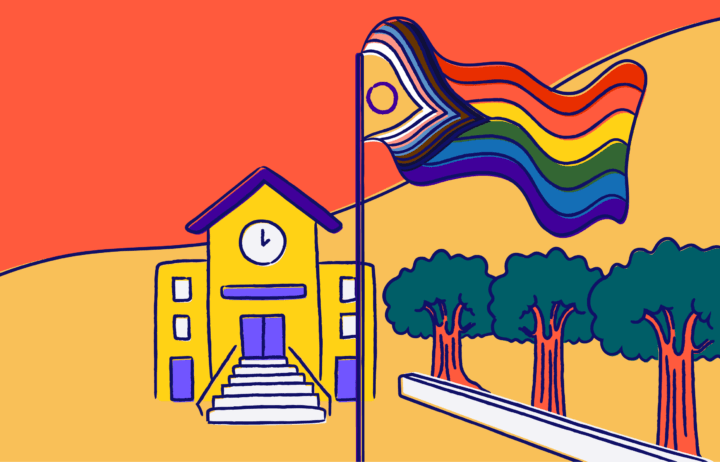
Last week, we saw the passage of HB 1557, also known as the “Don’t Say Gay/Trans” bill, by the Florida state Senate. This bill will ban classroom instruction on sexual orientation and gender identity in schools, and appears to threaten LGBTQ support in schools and includes vague parental notification requirements which could effectively “out” students to their families without their consent. This bill, which has passed at every level of the Florida state legislature, now awaits the governor’s final decision before being signed into law.
The potential impact of the passage of “Don’t Say Gay/Trans” on the health and happiness of LGBTQ young people in Florida is deeply concerning. When LGBTQ young people lose out on safe, affirming environments that educate them on their history, and validate their existence, they also lose out on community, humanity, and love. “Don’t Say Gay/Trans” threatens to erase LGBTQ identity, history, and culture from the classroom, and from the homes and hearts of many Floridians. And forced “outing” is an act that could potentially endanger the safety of many marginalized young people. Revealing a young person’s LGBTQ identity to their families could expose them to conflict or danger — 40% of LGBTQ young people who reported being kicked out or abandoned on our 2021 National Survey said it was due to their LGBTQ identity.
The passage of HB 1557 in Florida sets a dangerous precedent for other states to follow. We also recently witnessed the introduction of a “Don’t Say Gay/Trans” bill in the Georgia state Senate, which though legislation is unlikely to advance, is still alarming. The potential erasure of history is a serious and urgent issue. An education that is positive, inclusive, and comprehensive can be lifesaving: LGBTQ young people who learned about LGBTQ issues or people in classes at school had 23% lower odds of reporting a suicide attempt in the past year. Our research also shows that LGBTQ young people who had access to spaces (like schools) that affirmed their sexual orientation and gender identity reported lower rates of attempting suicide in the past year than those who did not.
All young people deserve an education that accurately represents, celebrates, and mourns historical truth, that is not hateful, censored, or inaccurate. They deserve to feel welcomed and celebrated in the places they spend the most time, in places that should be safe. LGBTQ young people are already feeling the effects of hateful rhetoric and legislation: a recent Trevor poll found 85% of trans and nonbinary young people, and two-thirds of all LGBTQ young people, say recent debates about state laws restricting the rights of transgender people have negatively impacted their mental health.
The Trevor Project is standing firm in our support for and solidarity with LGBTQ young people across the nation. It’s not too late to stop this bill from becoming law: join us in pledging your support for LGBTQ young people. And if you are an LGBTQ young person, or someone who loves one, know that we are here, 24/7, to hear, support, and fight for you.
Sue Cardenas-Soto is a Copywriter at The Trevor Project, the world’s largest suicide prevention and mental health organization for lesbian, gay, bisexual, transgender, queer & questioning (LGBTQ) young people. If you or someone you know is feeling hopeless or suicidal, our trained crisis counselors are available 24/7 at 1-866-488-7386 via chat www.TheTrevorProject.org/Get-Help, or by texting START to 678-678.