Youth's Lives Every Day
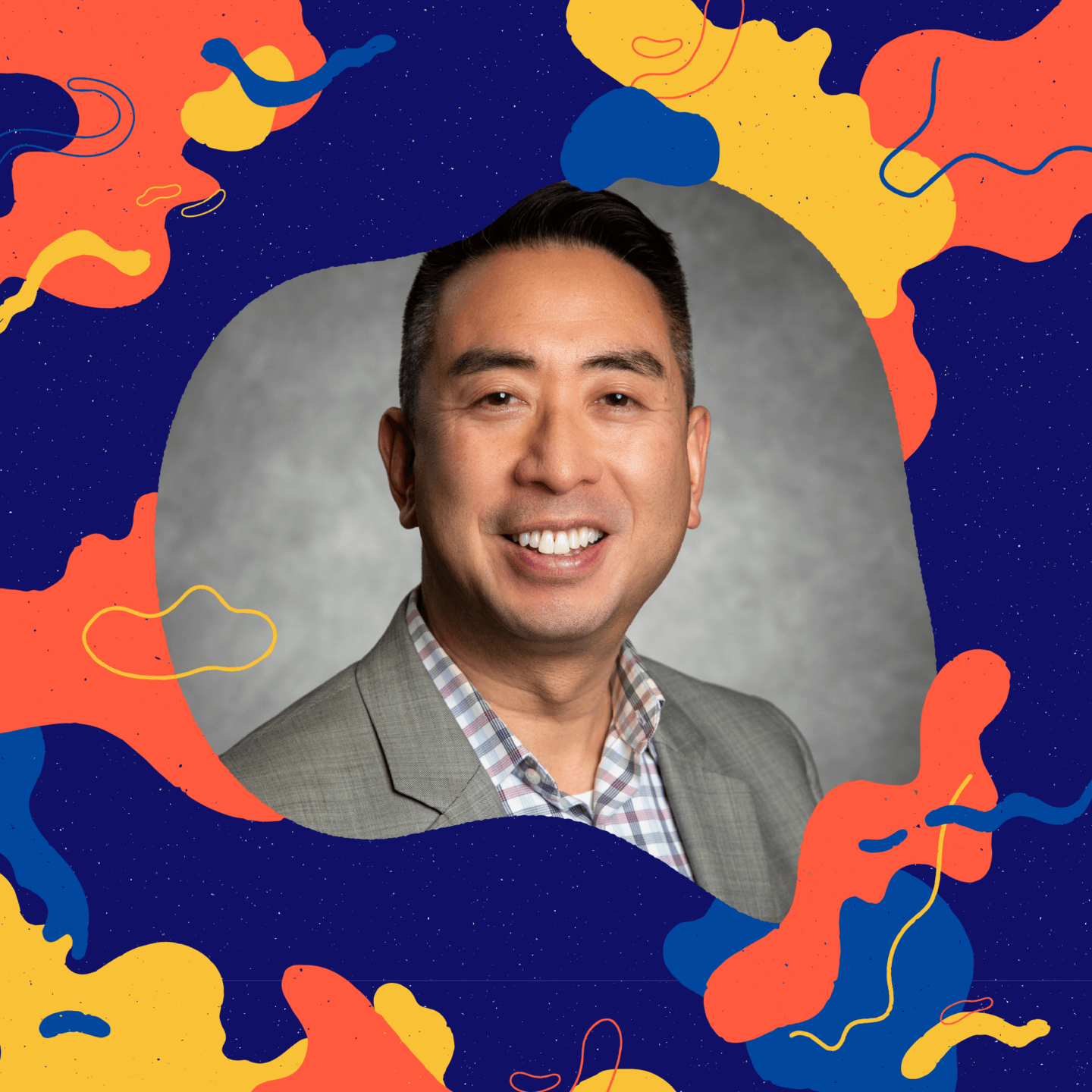
This AAPI Heritage Month and always, The Trevor Project is here to celebrate stories of powerful trailblazers who have forged an inspiring path toward inclusivity, acceptance, and representation for AAPI queer young people. To celebrate AAPI Heritage Month, The Trevor Project is sharing stories from our community to supporters. David Tsai is one of our donors and a leader in the law community — we’re lucky to have him as a role model and part of our community.
David Tsai is a law Partner at Pillsbury Winthrop Shaw Pittman LLP. David has been quoted in various business and technology publications including The New York Times and has written and lectured internationally. In 2017-2019, he served as one of the 18 Lawyer Representatives to the United States District Court, Northern District of California. He is the President of the Harvard Club of San Francisco and a past President of the Silicon Valley IP Law Association (SVIPLA) and the Asian American Bar Association of the Greater Bay Area (AABA). In 2016, David was recognized by the California State Legislature for his work in civil rights. David is an Adjunct Professor at the University of San Francisco School of Law.
Can you talk about the intersection of your queer and AAPI heritage?
Being a person of color in the LGBTQ community has not always been the easiest, but I am proud to be both Asian-American and gay. My parents are immigrants from Taiwan. Growing up in a very traditional Taiwanese-American household outside of Detroit, I learned to speak Taiwanese and Mandarin and also learned the traditions my parents grew up with. I embraced my Asian-American heritage — even when I grew up in a community that was predominately Caucasian and was often made fun of because I looked different.
What was even harder for me later as a child was accepting that I was gay. I already knew how hard it was to be a person of color, so I decided I would not be out to make my life even harder. But it was inevitable that I would come out later. As I later came out to myself in my teens, I learned that people of color in the LGBTQ community were often pushed aside. That was really hard for me. I made it a point ever since to be an active leader of LGBTQ organizations and to bring minority communities together.
Can you talk about your coming out journey and the challenges you faced?
As early as elementary school, I knew I was different. I did not know what it was until I went to high school and was fortunate to have an English teacher who offered a course that included LGBTQ literature. I remember reading the LGBTQ literature and having an “aha” moment. She was the first person I came out to through a paper I wrote for a class assignment related to the LGBTQ literature, ending subtly with the sentence: “Thank you for making me feel comfortable in your class.” She gave me an A- on that paper, but I was too scared to speak to her about it. She wrote back that I could speak to her anytime. I wish I had. Unfortunately, I never had an opportunity to thank her for helping me realize who I was and that I was not alone.
The first person I came out to in my family was my sister on my 25th birthday. I remember calling her to tell her. I thought she was upset at me being gay, but she told me she was crying for joy because she knew for once I would be genuinely happy. When I told my mother, she was similarly accepting right away, though she also told me that she wished she knew earlier so that she could have been there for me when I was younger. She said she worried about how lonely I must have felt as a child being different from most of my peers. As for my father, I never had a chance to tell him because he passed early and unexpectedly.
Have you seen growth from your family? How did that happen?
I have been lucky because my family has always been accepting of me. I now have two nephews, and they also see me as their uncle. It doesn’t matter if I’m LGBTQ+ or straight to them.
What advice do you have for other young people who look like you?
It gets better. I think the Trevor Project said it best, and continues to say it best. Others may try to make you feel lesser than because you aren’t like the majority of the people around you, but never let them push you down that way. Be proud of who you uniquely are.
What words of affirmation do you have for LGBTQ young people?
Loving myself, I inspire others to live their best through authenticity.
Why is celebrating AAPI Heritage Month important? Why is it important for queer people?
As a child, I did not have the opportunity to study anything related to AAPI Heritage Month or other cultures in school. Today, I am excited to see that schools educate students on different heritages and cultures. It is important to embrace and celebrate different heritages and cultures so that people grow up accepting heritages and cultures different from their own – within and outside of the LGBTQ community. Our nation is uniquely diverse, and I’m proud to contribute to that diversity.